01/05Police and corrections equipment
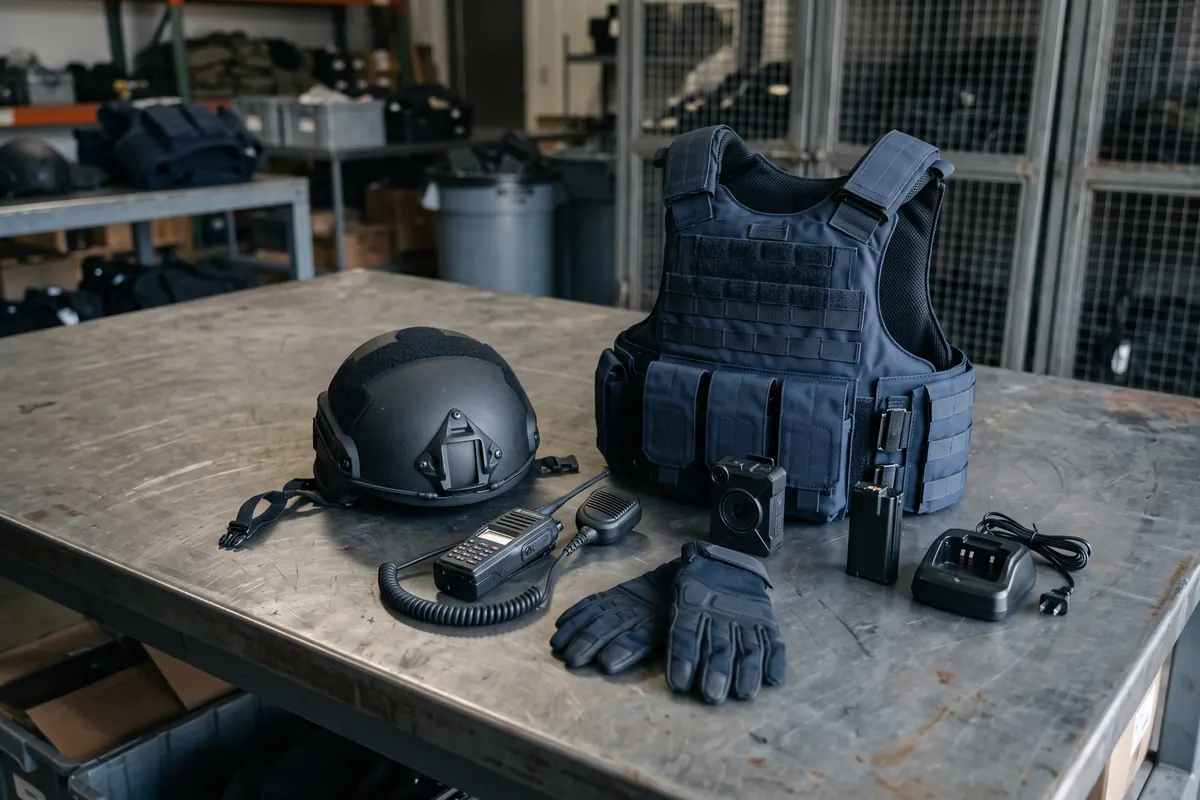
We equip patrol and custody personnel with personal protection, radios, body cameras and charging accessories.
- Itemized proposal
- Technical data sheets
- Lot-based acceptance
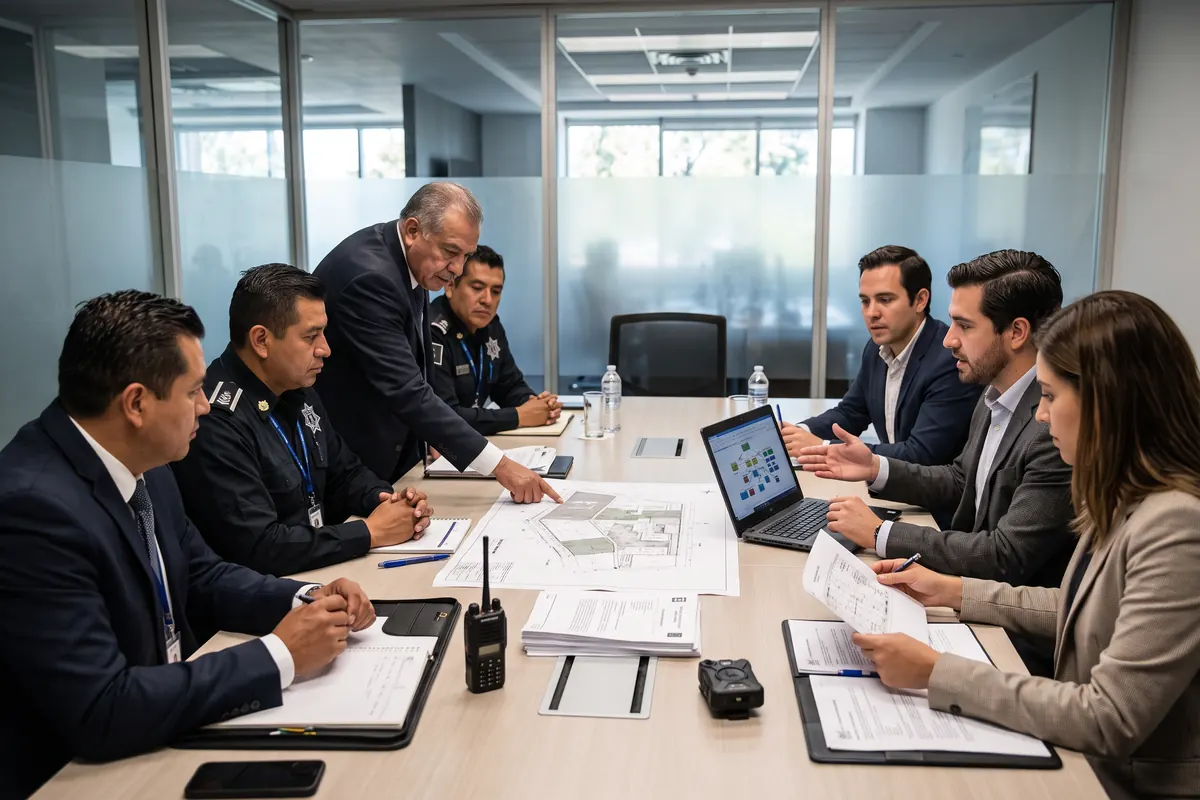
A police equipment purchase is judged months later, when personnel use it every day. These are the questions worth asking before you sign.

Quantities, sizes, references and price per line item let procurement, operations and IT compare the same offer. A lump-sum quote hides differences that cost later.
Each reference should come with its data sheet, materials and the evidence your institution requires. For ballistic protection, the reference standard must be in writing.
Radios that program into your network, cameras that offload into your system, batteries that share a charger. Incompatible items end up in storage.
Lot-based acceptance with serial numbers and named approvers: the warehouse checks, operations tests and the assignment is logged.
The warranty should state who responds, within what time and through which channel. If several companies are involved, the proposal should name each one.
For regulated equipment, the proposal should identify the documentation and permits that apply before committing to delivery.
01/05We equip patrol and custody personnel with personal protection, radios, body cameras and charging accessories.
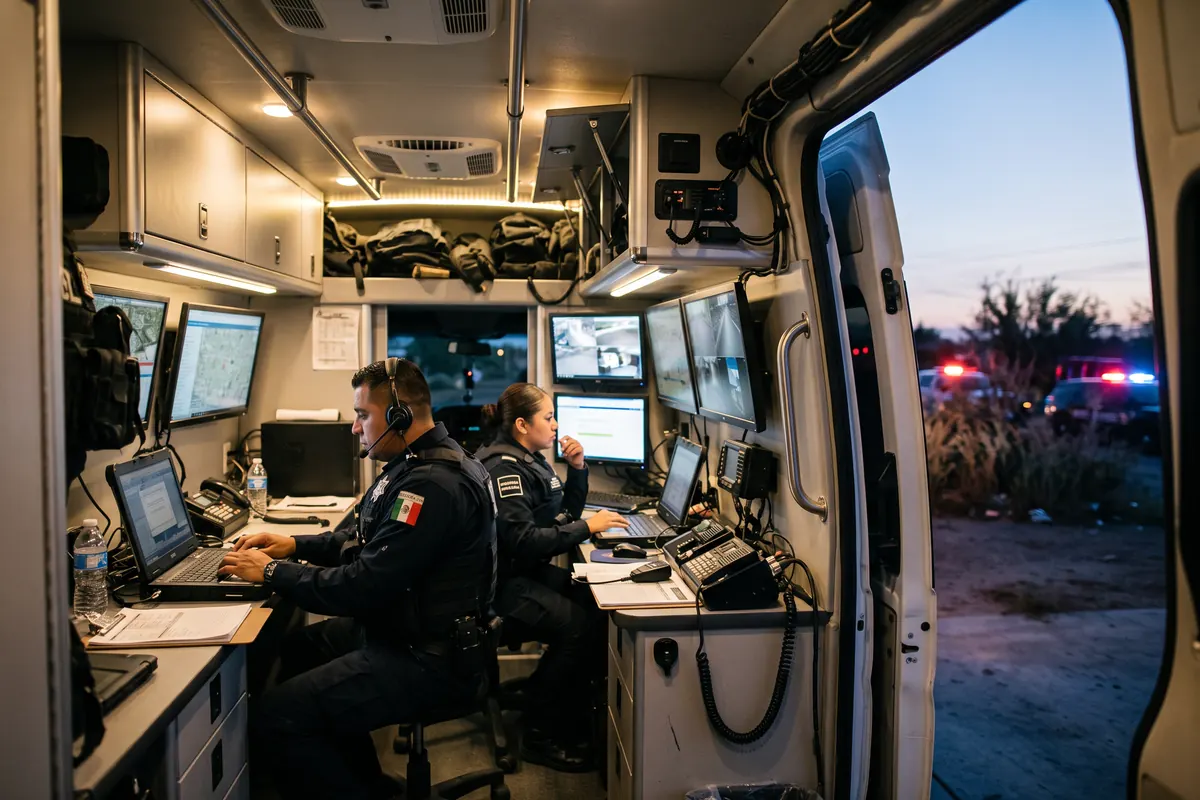
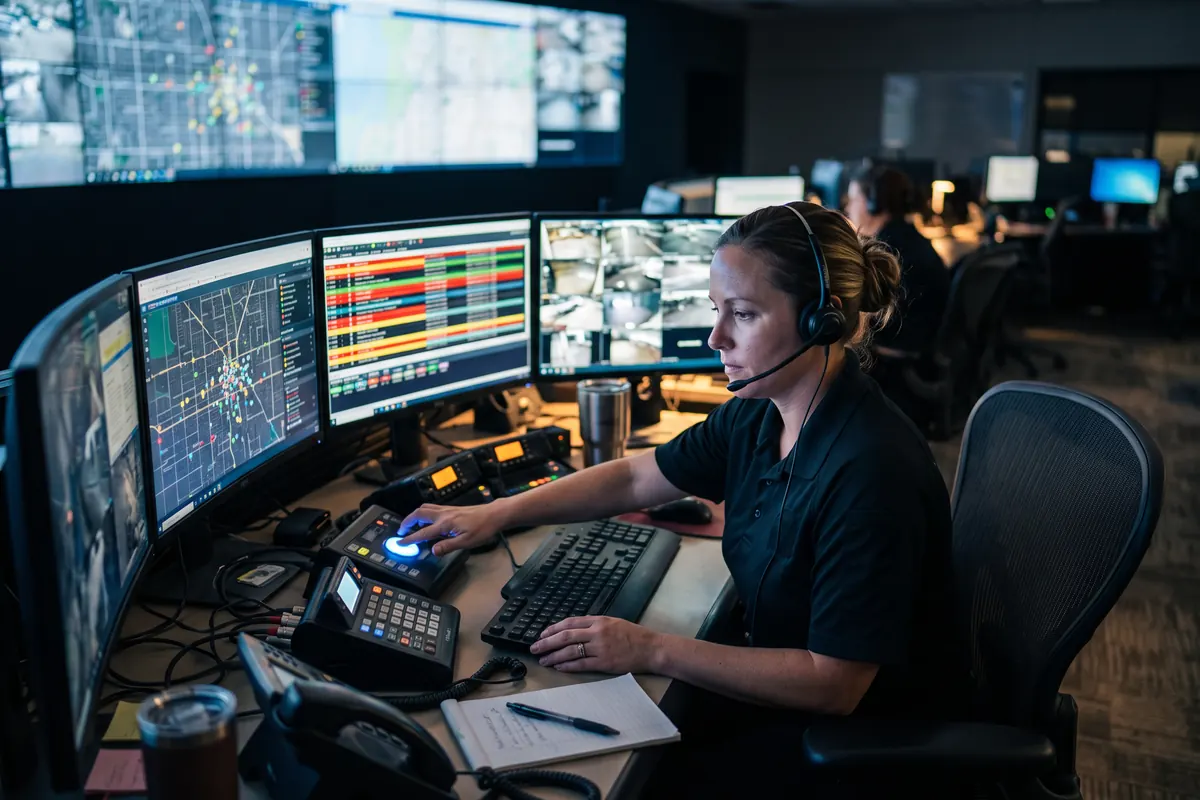
02/05We integrate video, radio communications and dispatch consoles so operators can handle and document events from their position.
03/05We fit service vehicles and coordination units with communications, workstations and backup power.
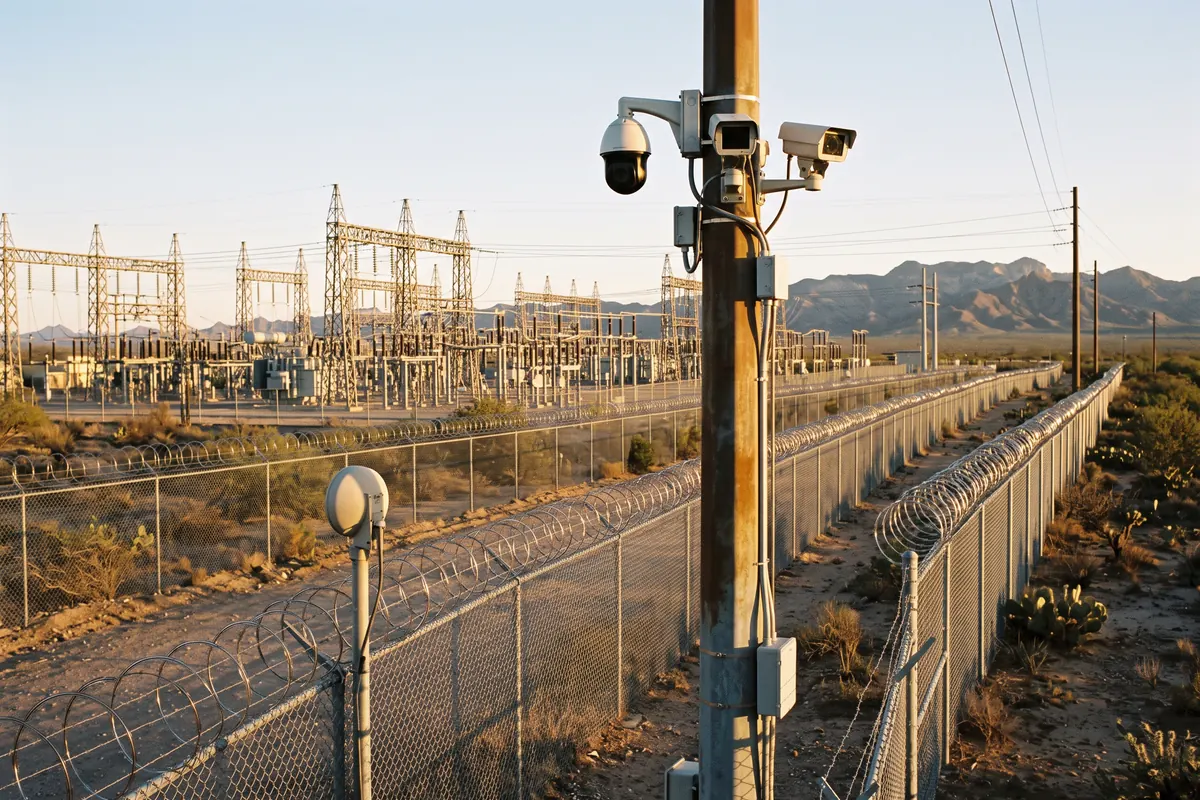
04/05We integrate video surveillance, access control and backup power to match the conditions of each facility.
05/05We organize open sources and geospatial information into query dashboards.
Tell us what you need, the city where it will be used and how we can reach you. Sales receives the selected solution along with the details needed to respond.