
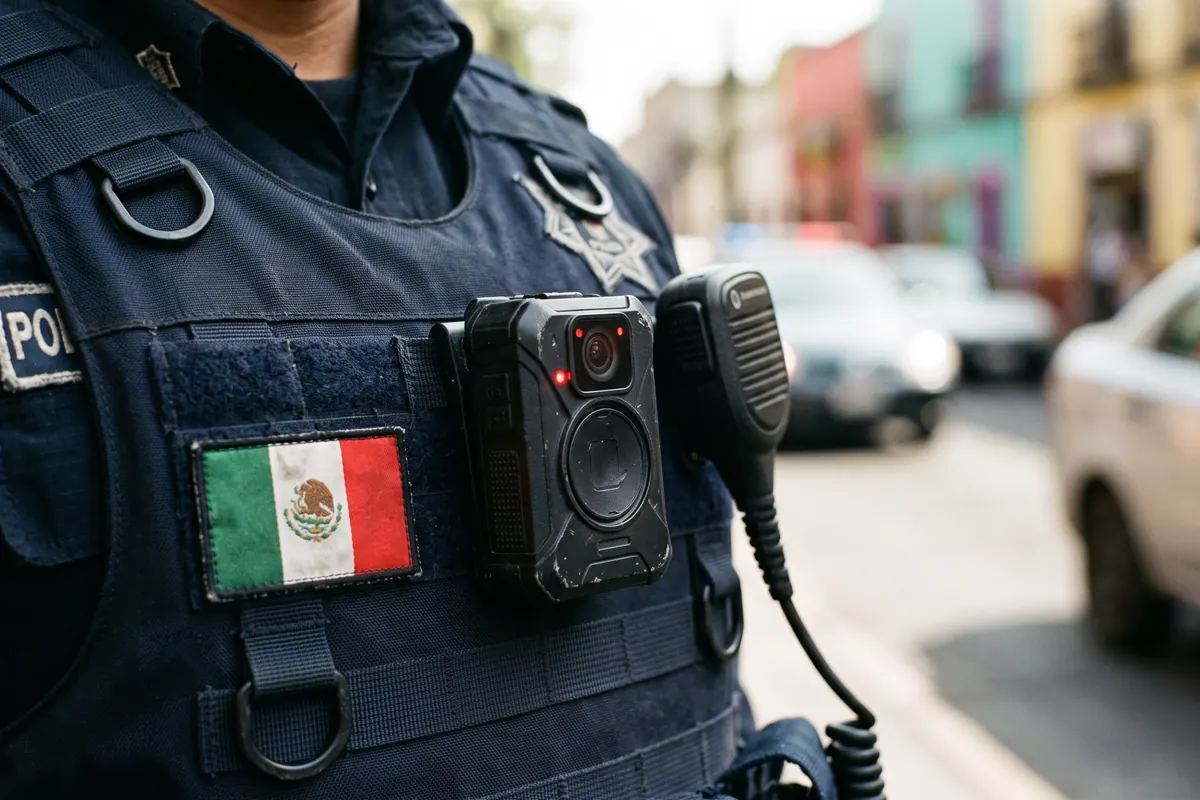
Body-worn cameras are bought by the unit but work as a system. These six decisions determine whether the video ends up useful or stays on a memory card no one offloads.
1. Battery life for the full shift
The battery must last the real shift, including transit time. If shifts are 12 hours, verify it in the data sheet and in testing.
2. Where and how devices offload
Docking and charging stations are sized by headcount and offload time. Define which facilities will host them.
3. Where video is stored
On your own server, in the cloud or in an existing video management system. The decision affects cost, network and retention policies.
4. Who can view what
Define viewing profiles and make sure every access is logged. It’s both a security measure and a matter of institutional trust.
5. How each camera is assigned
In police and corrections, each camera is assigned and logged per shift. That record is what gives the video its value.
6. How it integrates with everything else
Radios, network, C4 and video management. Whatever isn’t integrated becomes a manual task someone will stop doing.
In short
Before comparing models, settle these six decisions with operations and IT. The right proposal follows from them.